
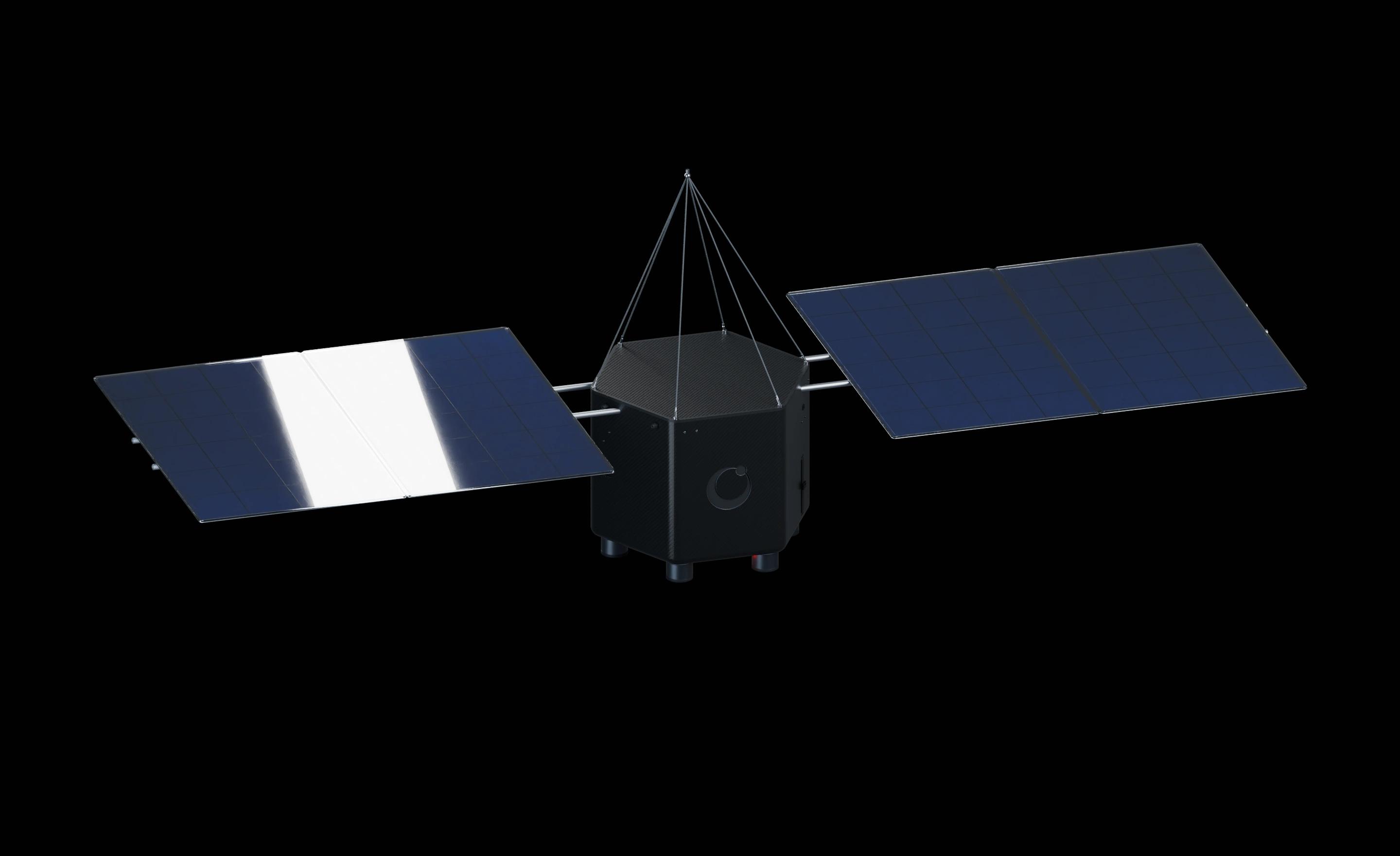
Satellites are constrained by orbital paths and revisit times. Aircraft have limited endurance and require repeated sorties. Ground systems face terrain, line-of-sight and infrastructure constraints. Your mission still needs coverage in the right place, at the right time.
Observe beyond a single pass
Long-duration stratospheric missions support repeated observation of an area of interest. Payload selection and flight planning are shaped around the information and timing your teams need.
Extend reach beyond ground networks
An elevated vantage point expands field of view and line of sight, supporting observation and communications where terrain or limited ground infrastructure restrict coverage.
Complement the assets you already use
Add mission-specific sensing or connectivity alongside satellite, airborne, ground and maritime assets. Data outputs and interfaces to your existing systems are scoped and validated during mission design.
Observation and connectivity for your operational needs
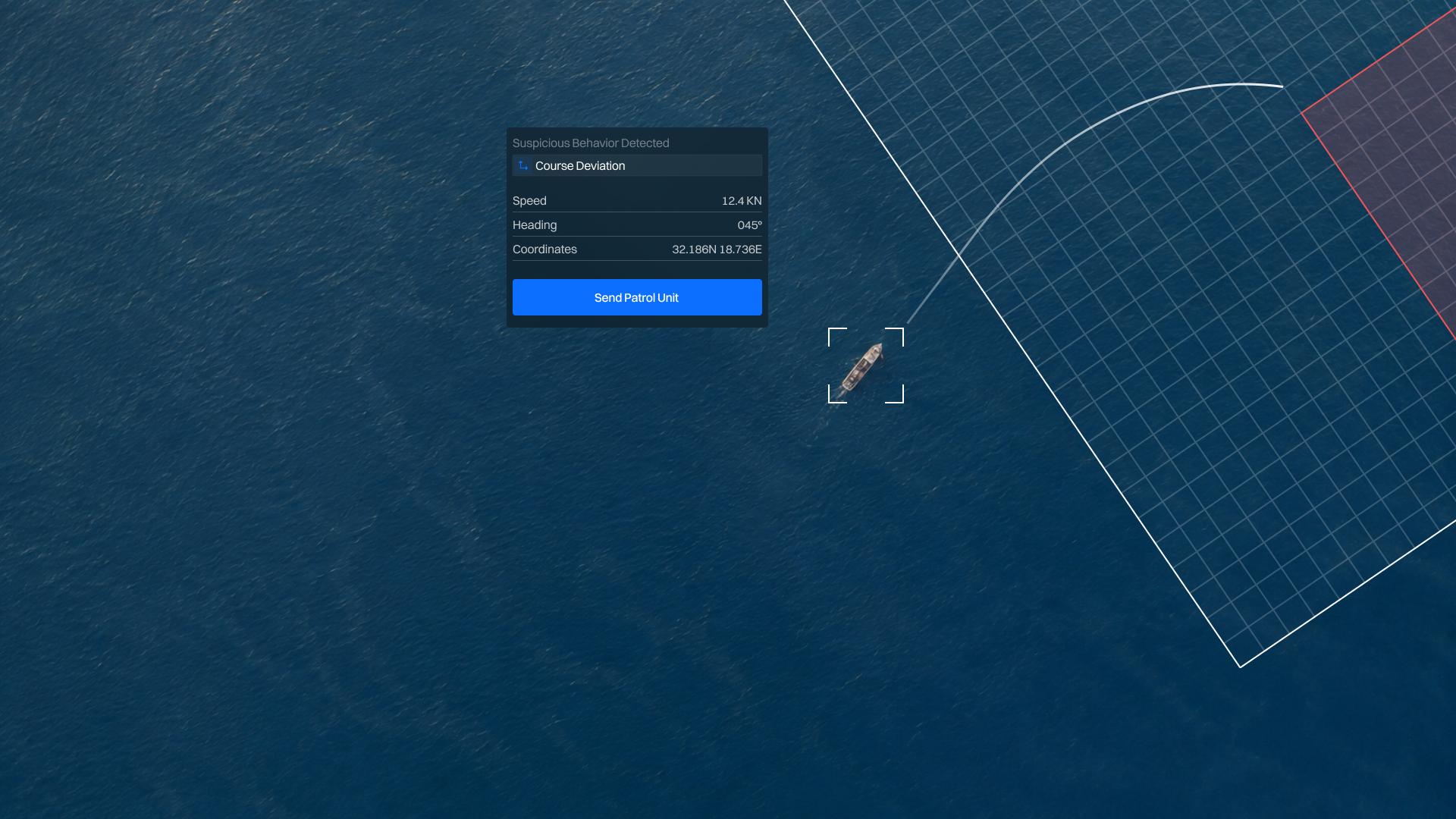
See activity across your area of interest
Optical and infrared payloads can support the detection, observation and tracking of activity across an area of interest. In a maritime surveillance mission, this could help operators maintain awareness of vessel activity around coastlines, ports and offshore infrastructure.
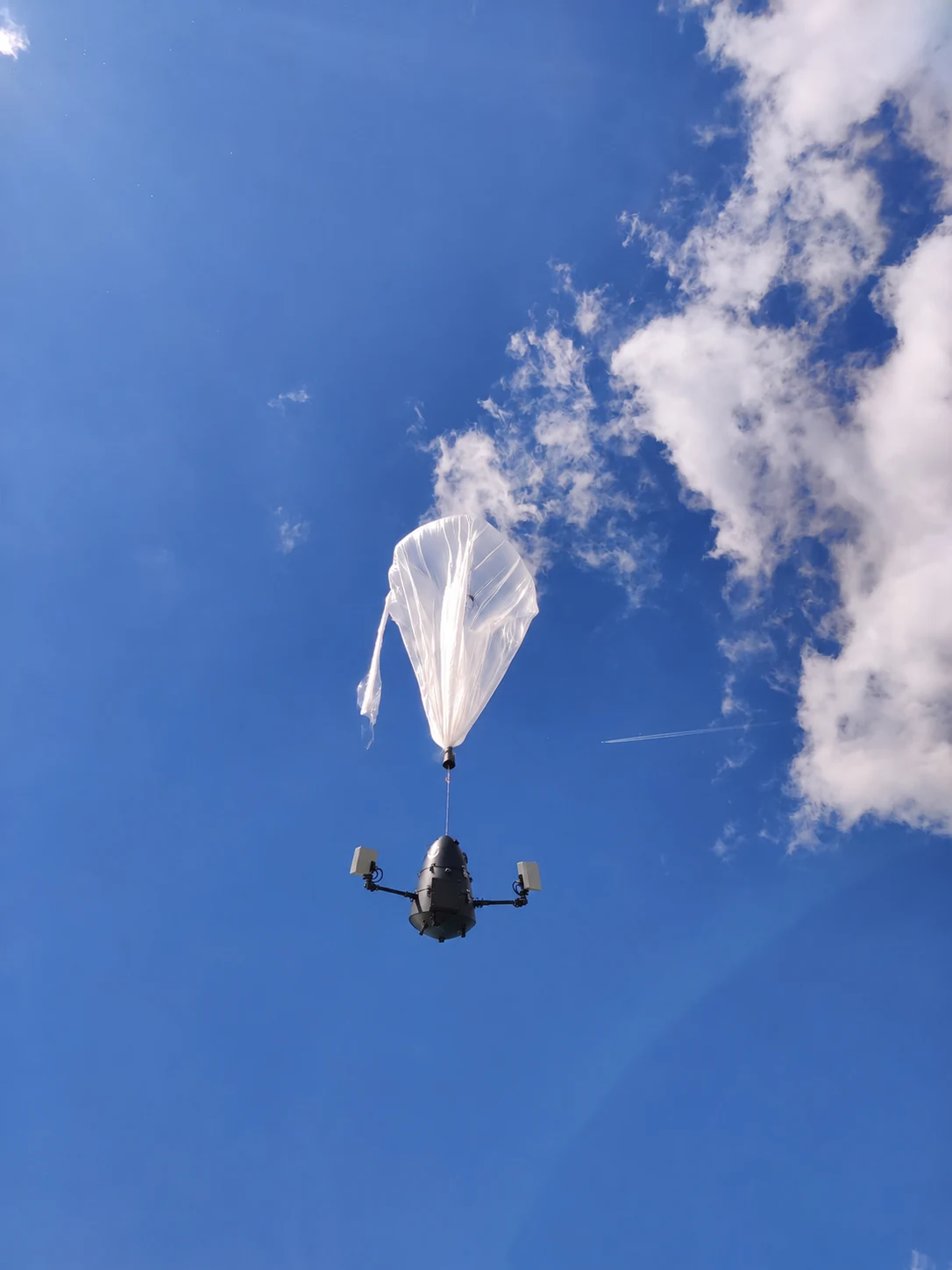
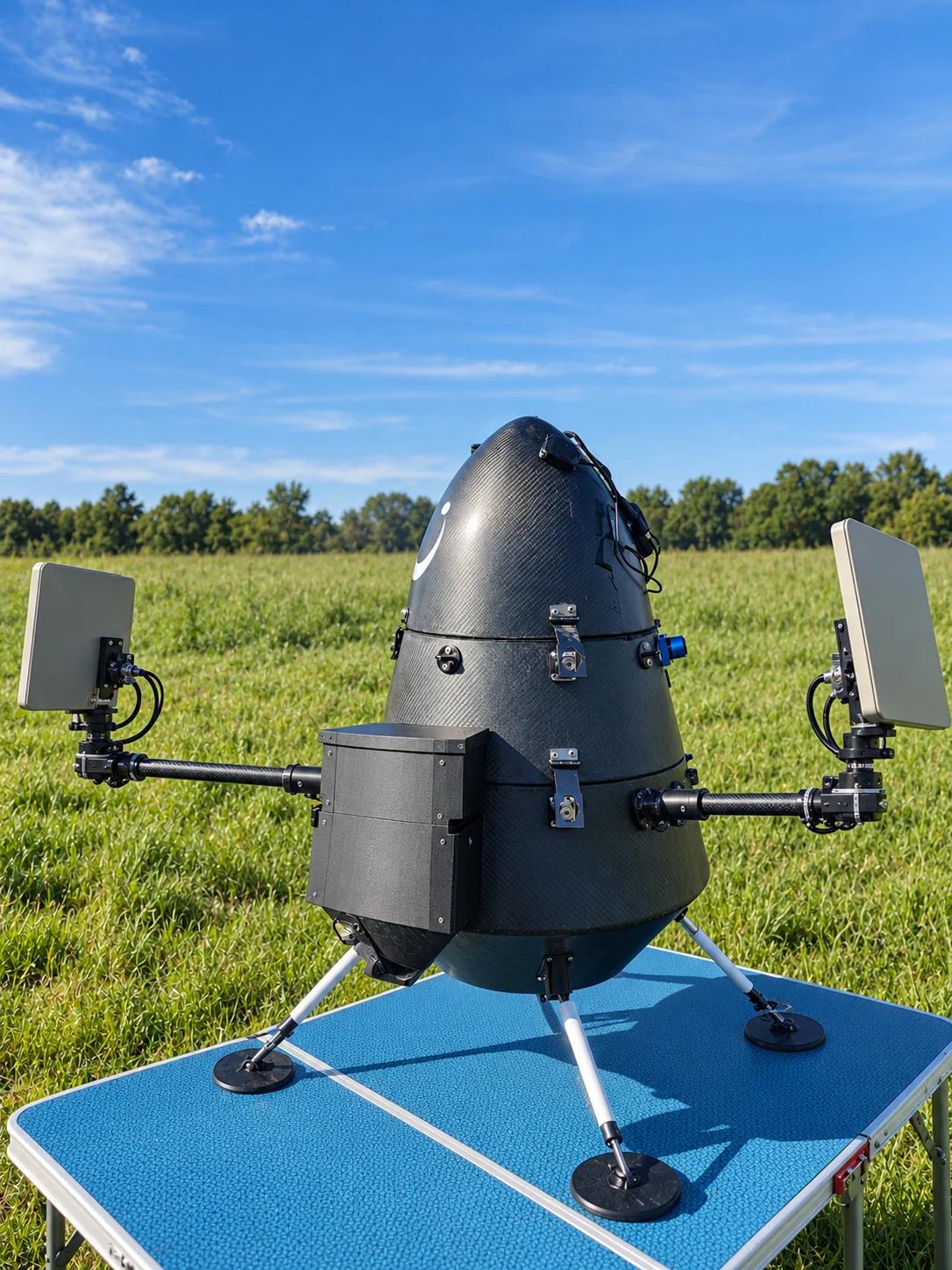

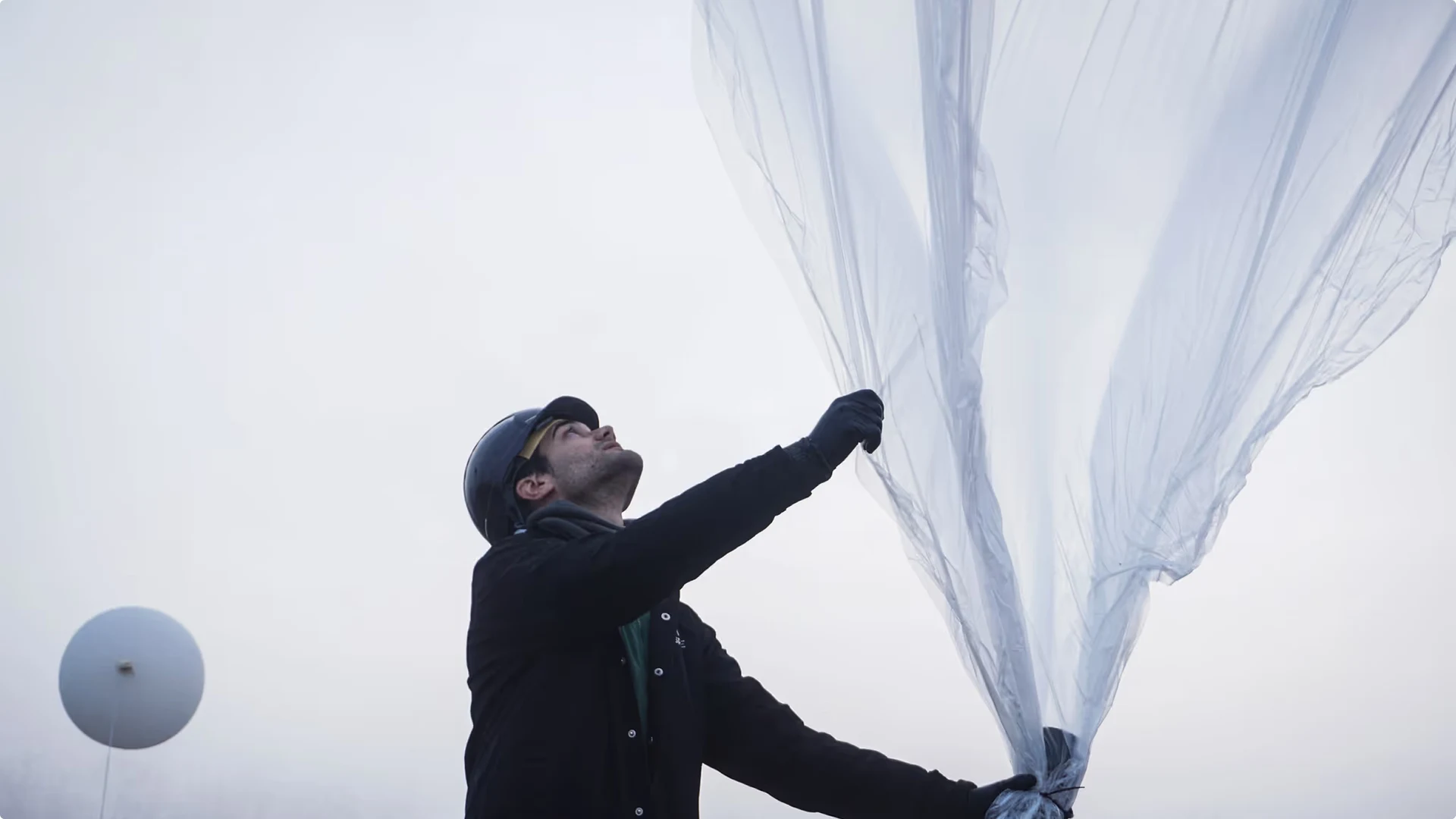
Your system. Your operations. Your control.
Involve Space designs and integrates the system and trains your team to operate it. After handover, you control mission planning, day-to-day operations and data governance. We provide technical support when requested.
Build the capability. Prepare your team
- 01
Define the operational requirement
Agree the area of interest, information needs, timing and deployment constraints. Define the payload, expected outputs and how they will reach your existing systems.
- 02
Configure and validate the system
Integrate the selected payload and check mechanical, power and data interfaces. Configure and test command and payload-data links against the agreed mission requirements.
- 03
Prepare for independent operations
Prepare the platform and ground systems for deployment, train your operators and agree the handover, data-delivery and support arrangements. Your team takes control of operations, with Involve Space support when requested.